
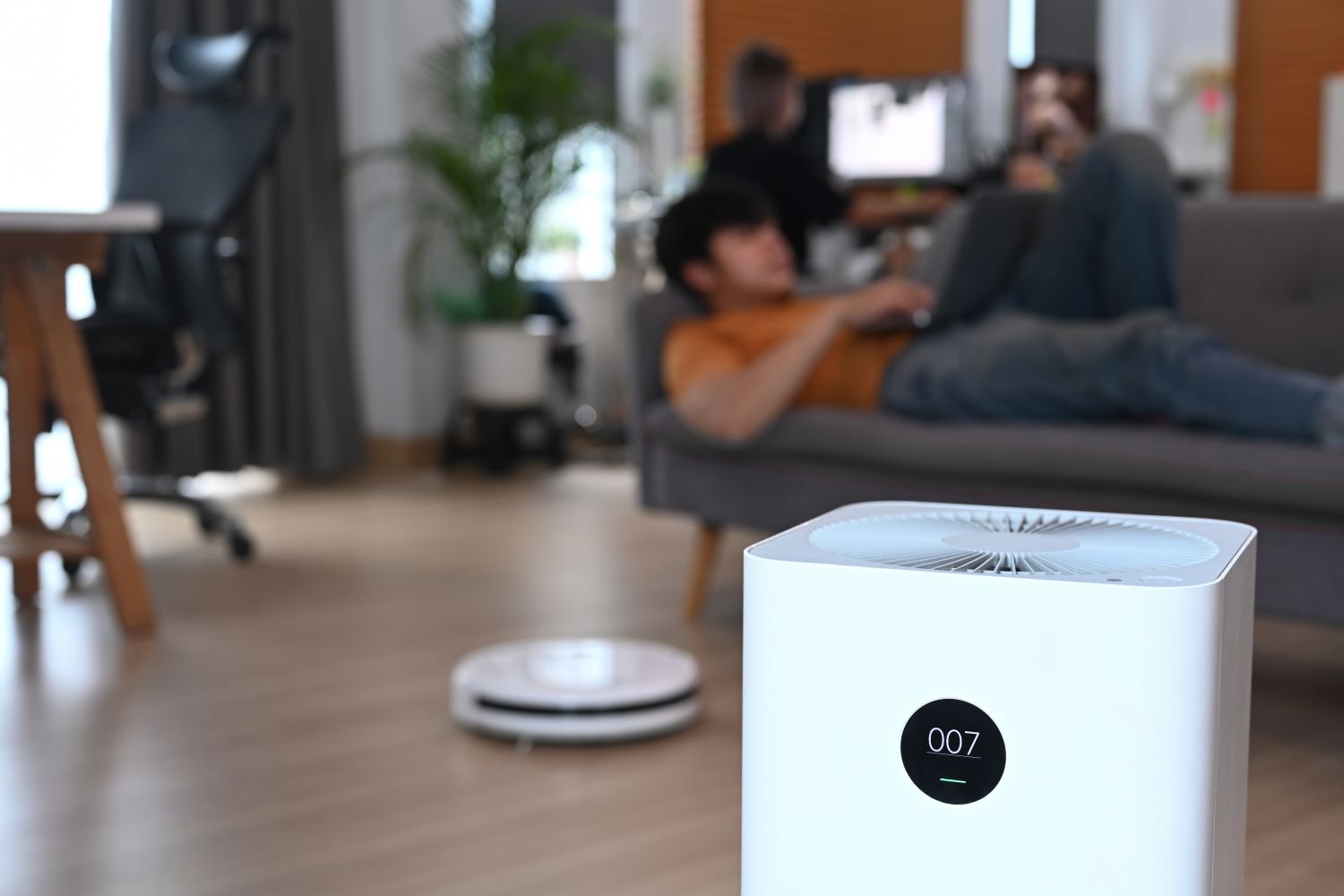
เครื่องลดความชื้น (Dehumidifier) เป็นอุปกรณ์ที่ทำหน้าที่ควบคุมความชื้นในอากาศ โดยอาศัยหลักการควบแน่น อากาศที่มีความชื้นสูงจะไหลผ่านแผ่นระบายความร้อน เมื่ออากาศผ่านแผ่นระบายความร้อนจะเกิดการควบแน่นเป็นหยดน้ำ หยดน้ำเหล่านี้จะไหลลงสู่ถาดเก็บน้ำหรือท่อระบายน้ำ

ประกัน 2 + เหมาะกับใครบ้าง?ประกัน 2 + เหมาะกับใครบ้าง?
คนส่วนใหญ่แนะนำให้ทำประกันรถยนต์ชั้น 2+ เพราะด้วยราคาที่น่ารัก และความคุ้มครอบที่เกือบเทียบเท่าประกันชั้น 1 แต่หลายคนคงสงสัยว่าใครที่ควรทำประกันรถยนต์ชั้น 2+ มากที่สุดคือใคร? วันนี้เราเตรียมข้อมูลและคำตอบมาในบทความนี้แล้ว อย่าช้าไปอ่านพร้อมกันเลย ประกันชั้น 2+ คุ้มครองอะไรบ้าง ถ้าคุณกำลังสงสัยว่าประกันรถยนต์ชั้น 2+ จะคุ้มครองเกือบเทียบเท่าประกันรถยนต์ชั้น 1 จริง ๆ เพราะเบี้ยประกันรถยนต์ชั้น 2+ นั้นถูกมาก ไม่น่าจะได้ความคุ้มครองขนาดนั้น แต่ความคุ้มครองของประกันรถยนต์ประเภท 2+ ที่คุณจะได้รับมีดังนี้ ดังนั้น, ประกันรถยนต์ชั้น 2+ มีความคุ้มครองที่รวมถึงความเสียหายที่เกิดจากอุบัติเหตุ,

ดัชนีเงินดอลล่าร์มีความสำคัญและปัจจัยต่อการลงทุนอย่างไรบ้าง ดัชนีเงินดอลล่าร์มีความสำคัญและปัจจัยต่อการลงทุนอย่างไรบ้าง
ดัชนีเงินดอลล่าร์ จะเป็นการวัดความแข็งค่าของเงินดอลล่าร์ที่เทียบกับสกุลเงินต่าง ๆ โดยประกอบไปด้วยเงินเยนญี่ปุ่น เงินดอลล่าร์แคนาดา เงินปอนด์อังกฤษ เงินฟรังก์สวิส เงินโคนาสวีเดน และเงินยูโร โดยจะมีการเฉลี่ยอัตราน้ำหนักที่มีความแตกต่างกัน ซึ่งเงินยูโรจะมีน้ำหนักถึง 57% รองลงมาจะเป็นเงินเยนและเงินปอนด์ เงินเฟ้อสวิสจะมีน้ำหนักในตะกร้าน้อย ซึ่งการที่เงินยูโรมีน้ำหนักมากที่สุดจะทำให้เราสามารถแปลความหมายดัชนีเงินดอลล่าร์ได้ดีนั่นเอง ดัชนีเงินดอลล่าร์มีความสำคัญของค่าเงินอย่างไร ดัชนีเงินดอลล่าร์ ถือได้ว่าเป็นเงินสกุลหลักของโลกที่เห็นได้จากสินทรัพย์ต่าง ๆ ทั่วโลก ไม่ว่าจะเป็นทองคำ น้ำมัน หรือสินค้าโภคภัณฑ์ ต่างก็มีการกำหนดราคาในรูปเงินดอลล่าร์ และการซื้อขายสินค้าบริการระหว่างประเทศก็มักจะมีการกำหนดราคาการซื้อขายเป็นดอลล่าร์เช่นกัน นอกจากนี้ความสำคัญของเงินดอลล่าร์ก็ยังอยู่ในรูปของเงินทุนสำรองระหว่างประเทศ ด้วยเหตุนี้จึงทำให้เงินดอลล่าร์มีความสำคัญสำหรับการค้าและการลงทุนเป็นอย่างมากนั่นเอง ปัจจัยที่ส่งผลต่อราคาของดัชนีดอลล่าร์ที่ทุกท่านควรทราบ ปัจจัยที่ส่งผลต่อราคาดัชนีเงินดอลล่าร์ก็ไม่ต่างจากปัจจัยที่ส่งผลต่อการเปลี่ยนแปลงของค่าเงินดอลล่าร์ ก็คือปัจจัยที่มีผลต่อความต้องการซื้อ

บริษัทรับทำวีซ่า ฉันต้องขออนุญาตอะไรบ้าง? บริษัทรับทำวีซ่า ฉันต้องขออนุญาตอะไรบ้าง?
ความต้องการบริษัทรับทำวีซ่าเพิ่มขึ้นอย่างมาก บริษัทเหล่านี้มีบทบาทสำคัญในการช่วยเหลือบุคคลและธุรกิจด้วยกระบวนการขอวีซ่าสำหรับการเดินทางระหว่างประเทศที่มักซับซ้อนและใช้เวลานาน แต่ก่อนที่จะเข้าเข้ามาทำอาชีพนี้ จำเป็นอย่างยิ่งที่จะต้องเข้าใจสิทธิ์และใบอนุญาตที่จำเป็นในการดำเนินการตามกฎหมาย และให้บริการที่มีคุณภาพ การจดทะเบียนธุรกิจและการออกใบอนุญาต ขั้นตอนแรกในการจัดตั้งบริษัทรับทำวีซ่าคือการจดทะเบียนธุรกิจของคุณกับหน่วยงานที่เกี่ยวข้องในประเทศของคุณ โดยทั่วไปกระบวนการนี้เกี่ยวข้องกับการขอใบอนุญาตประกอบธุรกิจหรือใบอนุญาต ซึ่งจะแตกต่างกันไปขึ้นอยู่กับประเทศ ตรวจสอบให้แน่ใจว่าคุณปฏิบัติตามข้อกำหนดทางกฎหมายทั้งหมดสำหรับการดำเนินธุรกิจในพื้นที่ของคุณ การจัดตั้งบริษัทและโครงสร้างทางกฎหมาย การเลือกโครงสร้างทางกฎหมายที่เหมาะสมสำหรับบริษัทรับทำวีซ่าของคุณเป็นสิ่งสำคัญ ตัวเลือกอาจรวมถึงการเป็นเจ้าของแต่เพียงผู้เดียว ห้างหุ้นส่วน บริษัทจำกัด (LLC) หรือบริษัท แต่ละโครงสร้างมีข้อดีและข้อเสียในตัวเอง ดังนั้นจึงแนะนำให้ปรึกษาผู้เชี่ยวชาญด้านกฎหมายหรือที่ปรึกษาทางธุรกิจเพื่อพิจารณาตัวเลือกที่เหมาะสมที่สุดสำหรับความต้องการเฉพาะของคุณ การปฏิบัติตามกฎหมายคุ้มครองข้อมูล ในฐานะบริษัทรับทำวีซ่า คุณจะจัดการข้อมูลส่วนบุคคลและข้อมูลที่เป็นความลับของลูกค้าของคุณ จำเป็นต้องปฏิบัติตามกฎหมายคุ้มครองข้อมูลเพื่อปกป้องความเป็นส่วนตัวและความปลอดภัยของข้อมูลนี้ ทำความคุ้นเคยกับกฎระเบียบที่เกี่ยวข้อง เช่น กฎระเบียบให้ความคุ้มครองข้อมูลส่วนบุคคลของผู้บริโภค (PDPA) การประกันภัยความรับผิดทางวิชาชีพ การได้รับการประกันภัยความรับผิดทางวิชาชีพถือเป็นสิ่งสำคัญสำหรับบริษัทที่ดำเนินการเกี่ยวกับวีซ่า การประกันภัยนี้ปกป้องคุณจากการเรียกร้องหรือการฟ้องร้องที่อาจเกิดขึ้นจากข้อผิดพลาด
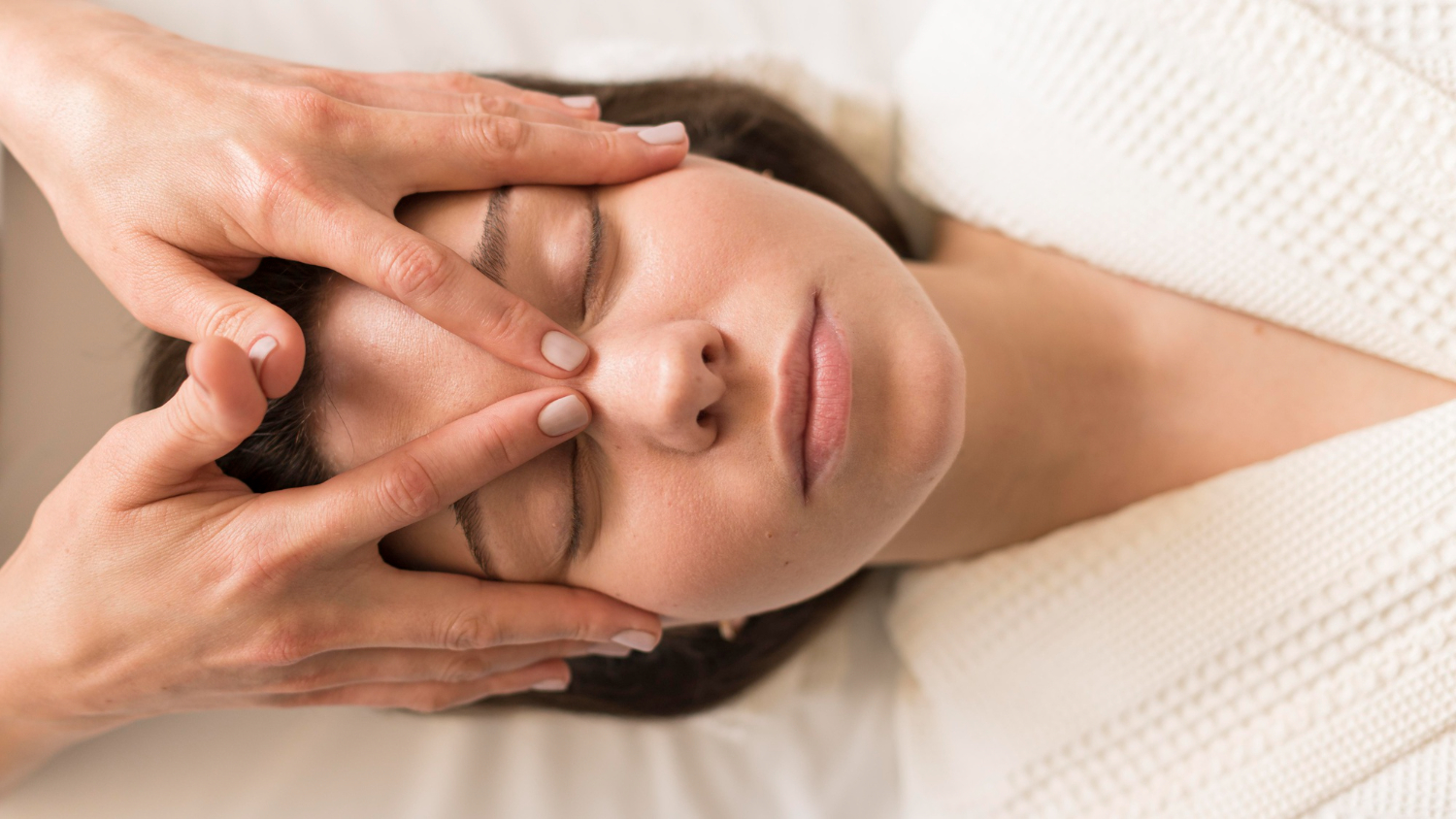
ทำความรู้จักกับ eyelid spa ทำความรู้จักกับ eyelid spa
อาจจะกล่าวได้ว่าการนวดทำความสะอาดเปลือกตา ถือเป็นสิ่งที่ไม่ว่าใครก็ไม่ควรมองข้าม เนื่องจากก่อให้เกิดความสบายของดวงตาเพิ่มมากขึ้นกว่าเดิม อย่างไรก็ดีหากว่าคุณเป็นอีกคนหนึ่งที่ยังไม่แน่ใจว่าเรื่องน่ารู้เกี่ยวกับการทำความสะอาดเปลือกตา หรือนวดเปลือกตา มีสิ่งใดที่ต้องทำบ้าง พร้อมแล้วมาดูกัน อะไรคือ EYELID SPA หากว่าเอ่ยถึง EYELID SPA ทุกคนก็คงเคยได้ยินชื่อกันมาบ้างไม่มากก็น้อย โดยการนวดเปลือกตานี้จะช่วยในการบรรเท่าอาการตาแห้งเรื้อรัง และลดการเมื่อยล้าของดวงตาได้อย่างน่าอัศจรรย์ ซึ่งทางพยาบาลวิชาชีพ หรืออาจจะเป็นจักษุแพทย์นั้น จะเป็นผู้ที่ดำเนินการในครั้งนี้ ซึ่งบางรายเองก็จำเป็นต้องได้รับการบริการใต้การดูแลของแพทย์ และจะใช้เวลาไม่เกิน 30 นาทีเท่านั้น ไม่ทำให้เกิดความเจ็บปวดแต่อย่างใด ที่สำคัญหลังจากที่รับบริการเรียบร้อยแล้วก็สามารถทำกิจวัตรประจำวันทุกประการได้ และขับรถกลับที่พักได้ตามปกติเลยทีเดียว อะไรคือการนวดเปลือกตา สำหรับการนวดเปลือกตานั้น ก็คือการนวดและการกดรีดไปตามการวางแนวของต่อมไขมันเป็นหลัก โดยจะเน้นไปที่ขอบเปลือกตา

ทำ backlinks อย่างไรให้ไม่โดนแบน! ข้อควรระวังที่ควรรู้ในการทำ backlinksทำ backlinks อย่างไรให้ไม่โดนแบน! ข้อควรระวังที่ควรรู้ในการทำ backlinks
การทำ backlinks เป็นเทคนิค SEO ที่สำคัญ ซึ่งช่วยเพิ่มอันดับเว็บไซต์ของเราบนหน้าผลการค้นหาของ Google ได้ แต่ในการทำแบ็คลิงค์นั้น เราควรคำนึงถึงข้อควรระวังต่อไปนี้ เพื่อหลีกเลี่ยงการทำ backlinks ที่ผิดกฎของ Google ซึ่งอาจส่งผลเสียต่อเว็บไซต์ของเรา และทำให้เว็บไซต์ของเราโดนแบนได้
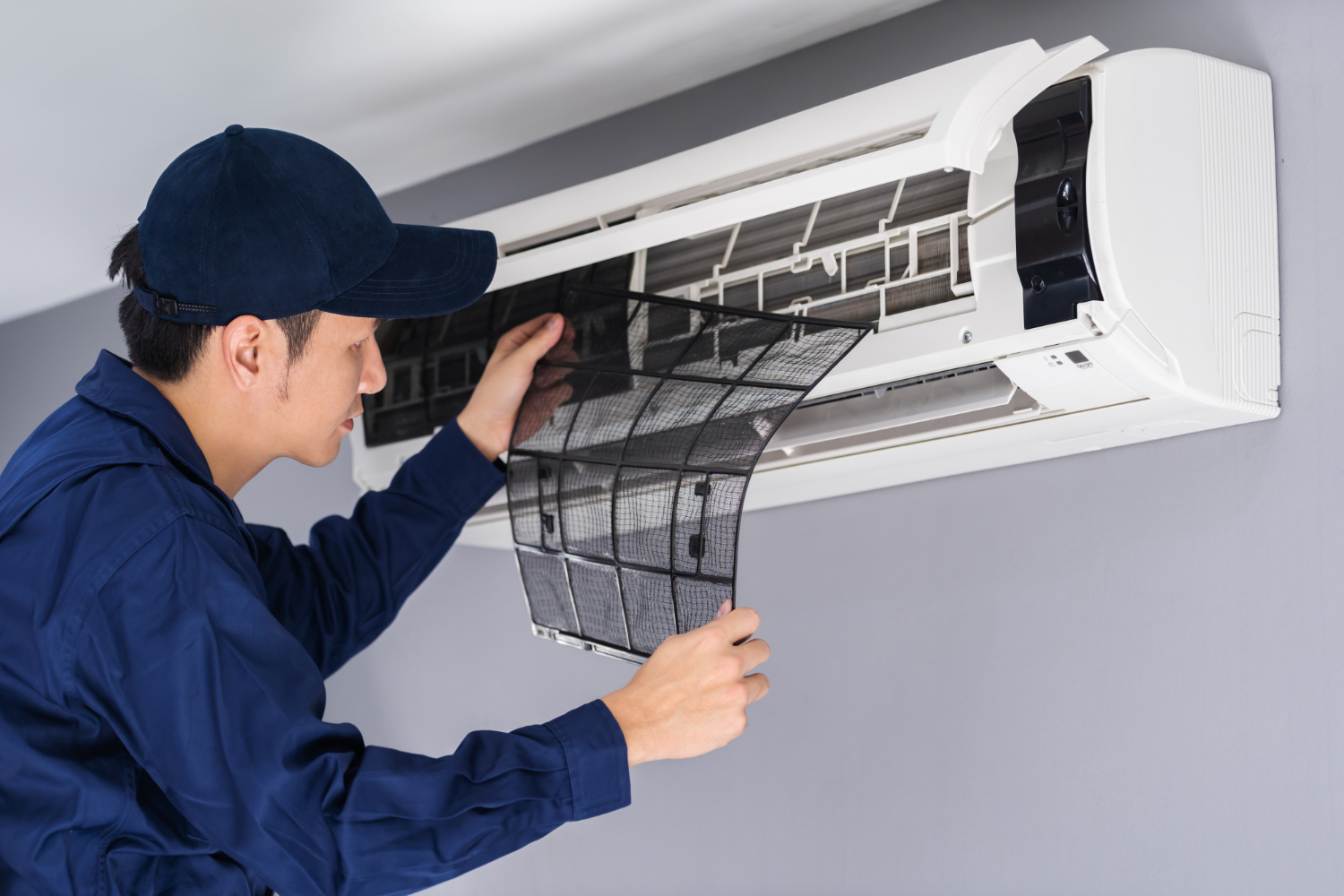
เครื่องเป่าลมคืออะไร มีประเภทอะไรบ้าง เครื่องมืออเนกประสงค์ที่สำคัญ เครื่องเป่าลมคืออะไร มีประเภทอะไรบ้าง เครื่องมืออเนกประสงค์ที่สำคัญ
ในปัจจุบันปฏิเสธไม่ได้เลยว่า เครื่องเป่าลมหรือโบเวอร์ กำลังได้รับความนิยมจากทุกสาขางานช่าง ก็ว่าได้ เพราะสามารถใช้งานได้อเนกประสงค์ เป็นเครื่องมือและอุปกรณ์ช่วยในงานช่างรูปแบบใหม่ เครื่องเป่าลมมีตั้งแต่ขนาดเล็กไปจนถึงขนาดใหญ่ ช่วยในการทำความสะอาด ตั้งแต่เริ่มงานและตอนจบงาน ช่วยประหยัดเวลาในการทำความสะอาด ถือว่าเบาแรงไปได้มากเลยทีเดียว เรามาทำความรู้จักกับเครื่องเป่าลมหรือโบเวอร์ ว่าสามารถทำอะไรได้ เครื่องเป่าลมคืออะไร เครื่องเป่าลมหรือโบเวอร์ สามารถดูดอากาศ และเป่าลมได้ด้วยกำลังของมอเตอร์ ที่สามารถสร้างกำลังลมและกำลังดูดจากใบพัดที่ส่งมาจากตัวมอเตอร์กำลังสูง และในปัจจุบันมอเตอร์ที่ใช้ติดตั้งมากับเครื่องเป่าลมมีกำลังแรงสูงโดยเฉลี่ยแล้วอยู่ที่ 1,000-2,000 วัตต์เลยทีเดียว ขนาดของมอเตอร์ที่ใช้กับเครื่องเป่าลมยิ่งมีกำลังวัตต์สูงยิ่งสามารถทำงานได้รวดเร็วและครอบคลุม โดยเฉพาะหากต้องการใช้โหมดความร้อนมอเตอร์กำลังวัตต์สูงสามารถสร้างความร้อนได้อย่างรวดเร็วได้ดีอีกด้วย เครื่องเป่าลม มีประเภทอะไรบ้าง ในปัจจุบันเครื่องเป่าลม ที่เราพบเห็นตามห้างสรรพสินค้าโดยยังไม่นับรวม เครื่องเป่าลมที่ใช้ในระบบอุตสาหกรรม แบ่งเป็น 2
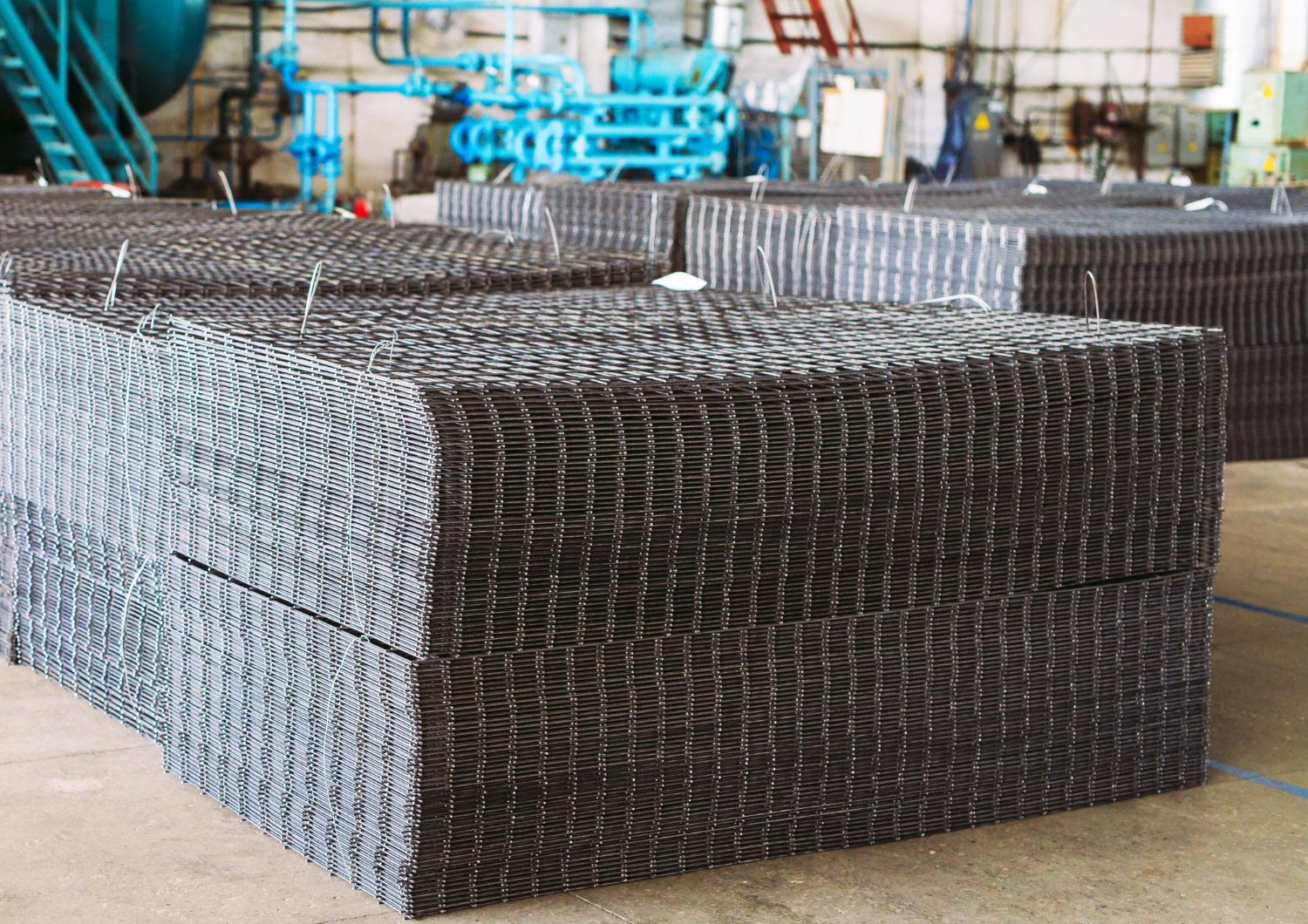
กล่องเกเบี้ยนคืออะไร? มีประโยชน์อย่างไรบ้างกล่องเกเบี้ยนคืออะไร? มีประโยชน์อย่างไรบ้าง
กล่องเกเบี้ยน คือกล่องลวดตาข่ายหกเหลี่ยมที่นำมาเคลือบพีวีซีหรือชุบสังกะสี เพื่อกันสนิมและเพิ่มความทนทาน โดยภายในกล่องลวดตาข่ายหกเหลี่ยมจะบรรจุของแข็งจำพวก หิน อิฐ หรือไม้เอาไว้ ซึ่งกล่องเกเบี้ยนนี้มีประโยชน์มากมาย ได้แก่ นอกจากนี้แล้ว กล่องเกเบี้ยนยังสามารถนำมาใช้เพื่อประโยชน์ด้านสิ่งแวดล้อมได้อีกด้วย ตัวอย่างเช่น โดยสรุปแล้ว กล่องเกเบี้ยนหรือกล่องลวดตาข่ายหกเหลี่ยม เป็นโครงสร้างที่มีประโยชน์มากมาย ซึ่งสามารถใช้ได้ในหลากหลายวัตถุประสงค์ โดยกล่องเกเบี้ยนทำจากวัสดุที่ทนทานและราคาไม่แพง ซึ่งทำให้เป็นตัวเลือกที่คุ้มค่าสำหรับโครงการภูมิสถาปัตย์และสิ่งแวดล้อม
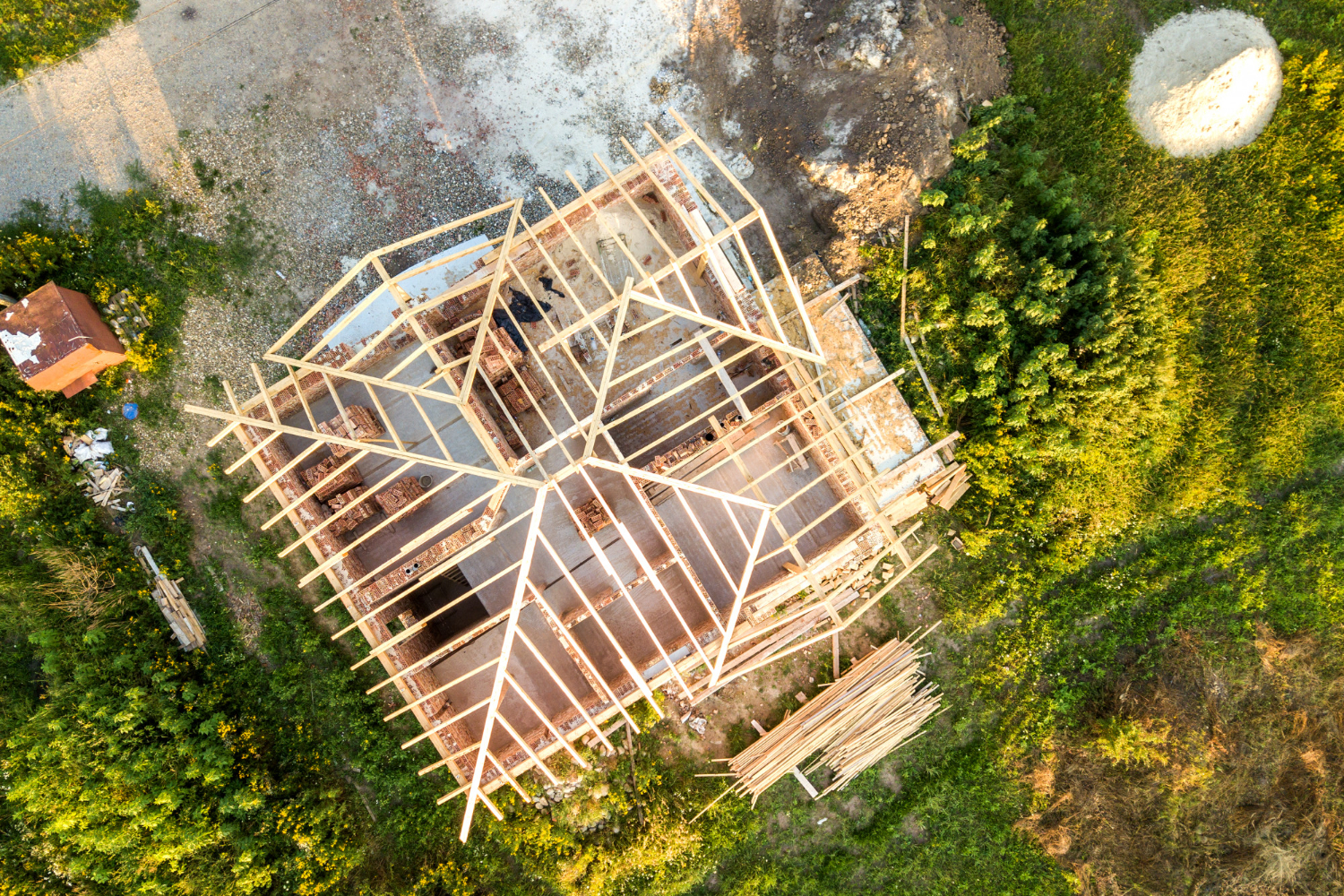
เทคนิคบรีฟบริษัทสร้างบ้านยังไง ให้ได้บ้านที่ถูกใจที่สุด เทคนิคบรีฟบริษัทสร้างบ้านยังไง ให้ได้บ้านที่ถูกใจที่สุด
การบรีฟที่ครอบคลุมเป็นสิ่งสำคัญเพื่อให้แน่ใจว่าบริษัทสร้างบ้านเข้าใจอย่างถ่องแท้และสามารถส่งมอบบ้านในฝันคุณได้ ต่อไปนี้เป็นเคล็ดลับในการสรุปบริษัทรับสร้างบ้านอย่างมีประสิทธิภาพ กำหนดวิสัยทัศน์ของคุณให้ชัดเจน: เตรียมภาพร่าง รูปภาพ หรือแนวคิดที่ได้รับแรงบันดาลใจจากบ้านที่คุณชอบ ระบุความชอบของคุณอย่างชัดเจนสำหรับสไตล์ พื้นที่ และคุณสมบัติเฉพาะใดๆ ที่คุณต้องการในบ้านของคุณ หารือเกี่ยวกับงบประมาณโดยละะเอียด: ควรศึกศาเกี่ยวกับงบประมาณของคุณอย่างชัดเจน และทำความเข้าใจที่ชัดเจนเกี่ยวกับข้อจำกัดทางการเงินของคุณจะช่วยให้ผู้สร้างสามารถวางแผน ออกแบบ และเสนอแนะวัสดุที่ให้คุณค่าที่ดีที่สุดแก่คุณ ระบุความต้องการของจำนวนห้อง: รายละเอียดจำนวนห้อง การจัดวาง ขนาด และคุณลักษณะเฉพาะใดๆ ที่คุณต้องการ เช่น ที่เก็บของตามความต้องการ ห้องน้ำในตัว ฯลฯ สื่อสารไลฟ์สไตล์และคาแรกเตอร์: ให้ข้อมูลเกี่ยวกับไลฟ์สไตล์ กิจกรรมประจำวัน และแผนการในอนาคตของคุณ สิ่งนี้ทำให้บริษัทสร้างบ้านสามารถปรับแต่งการออกแบบให้เหมาะกับพฤติกรรมการใช้ชีวิตของคุณ

ตัวเรือนแหวนเพชร มีแบบไหน ซื้อแหวนเพชรที่ร้านเพชร ดียังไง ตัวเรือนแหวนเพชร มีแบบไหน ซื้อแหวนเพชรที่ร้านเพชร ดียังไง
แหวนเพชรเป็นเครื่องประดับเพชรที่ได้รับความนิยมสูง ไม่ว่าจะเป็นแหวนแต่งงาน แหวนหมั้น แหวนครบรอบวันแต่งงาน ใช้เป็นของขวัญมอบให้คนพิเศษได้ แหวนเพชรเครื่องประดับอันมีค่าและงดงามมีให้เลือกหลายแบบหลายสไตล์มากๆ วันนี้เราจะขอพูดถึงตัวเรือนของแหวนเพชร มีแบบไหนให้เลือกบ้าง พร้อมกับพาทุกคนมาดูข้อดีของการซื้อแหวนเพชรที่ร้านเพชร มีดียังไงไปดูกันเลย วัสดุอะไรนิยมนำมาทำตัวเรือนแหวนเพชร ร้านเพชรขายแหวนเพชรหลายแบบและมีตัวเรือนหลากหลายให้เลือกหนึ่ง หนึ่งในนั้นคือตัวเรือนที่ทำจากแพลตตินั่ม เป็นโลหะที่มีความแข็งแรงทนทานสูง ไม่ระคายเคืองผิวเป็นวัสดุที่มีราคาสูงกว่าวัสดุอื่นๆ แพงกว่าทอง 2-3 เท่าเลยทีเดียว ตัวเรือนที่ทำจากทองคำ อาจไม่ค่อยได้รับความนิยมมากเท่าไหร่สำหรับการทำเป็นตัวเรือนแหวนเพชรเนื่องจากทองคำยังมีความอ่อนตัวอยู่มากอาจทำให้บุบหรือเบี้ยวได้ง่ายไม่นิยมนำมาฝังตัวเพชรแต่จะใช้ตัวเรือนที่เป็นทองคำผสมกับโลหะอื่นๆ แทน ร้านเพชรอาจมีแหวนเพชรที่ตัวเรือนทำจากทองคำขาวให้คุณเลือกด้วย ทองคำขาวเป็นการผสมโลหะชนิดอื่นๆ โดยการนำเอาทองคำแท้ไปผสมกับ เงิน นิกเกิล พาราเดียม ฯลฯ เพื่อให้เกิดความแข็งแรงมากขึ้นเปอร์เซ็นต์ในการผสมมีตั้งแต่ 90%